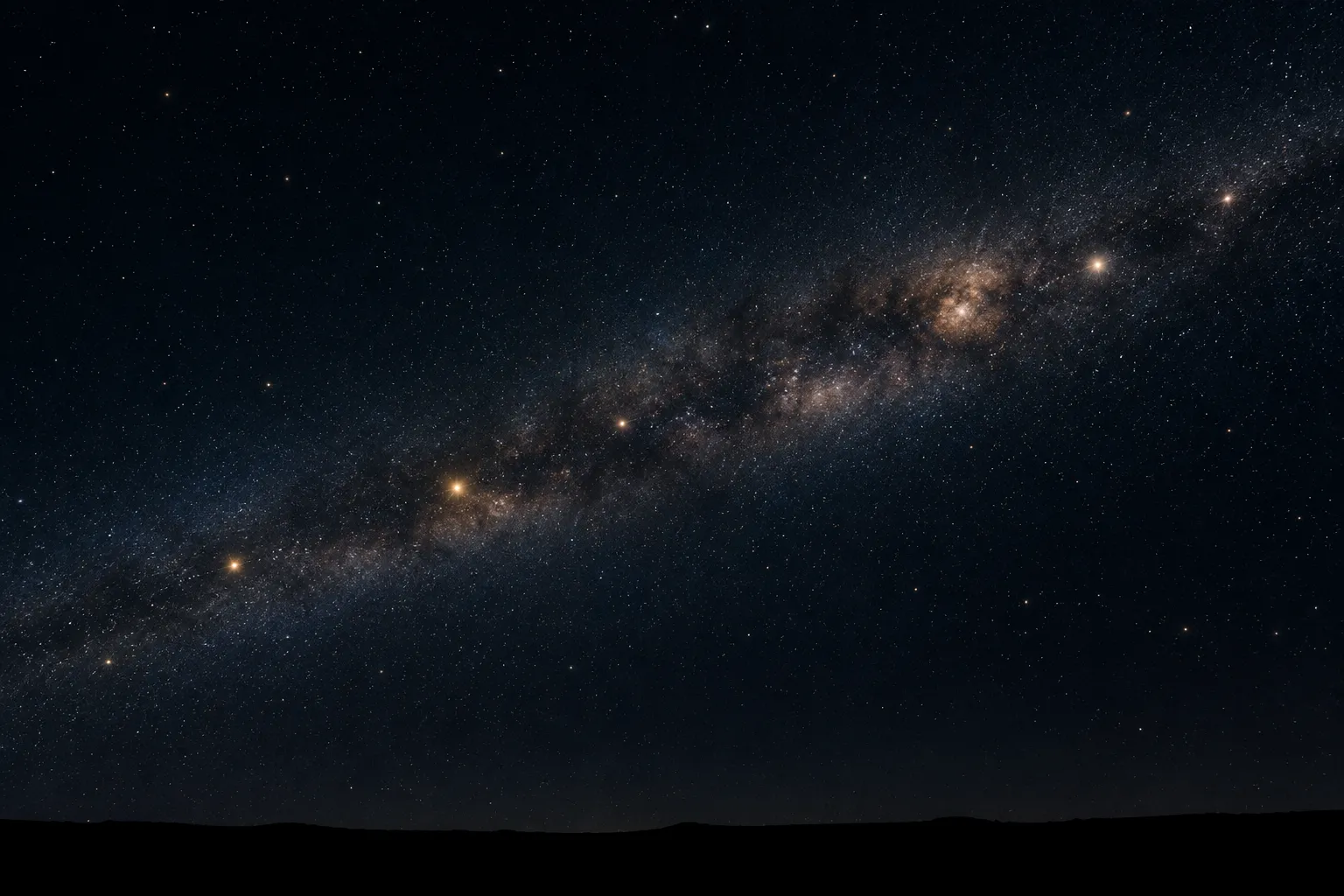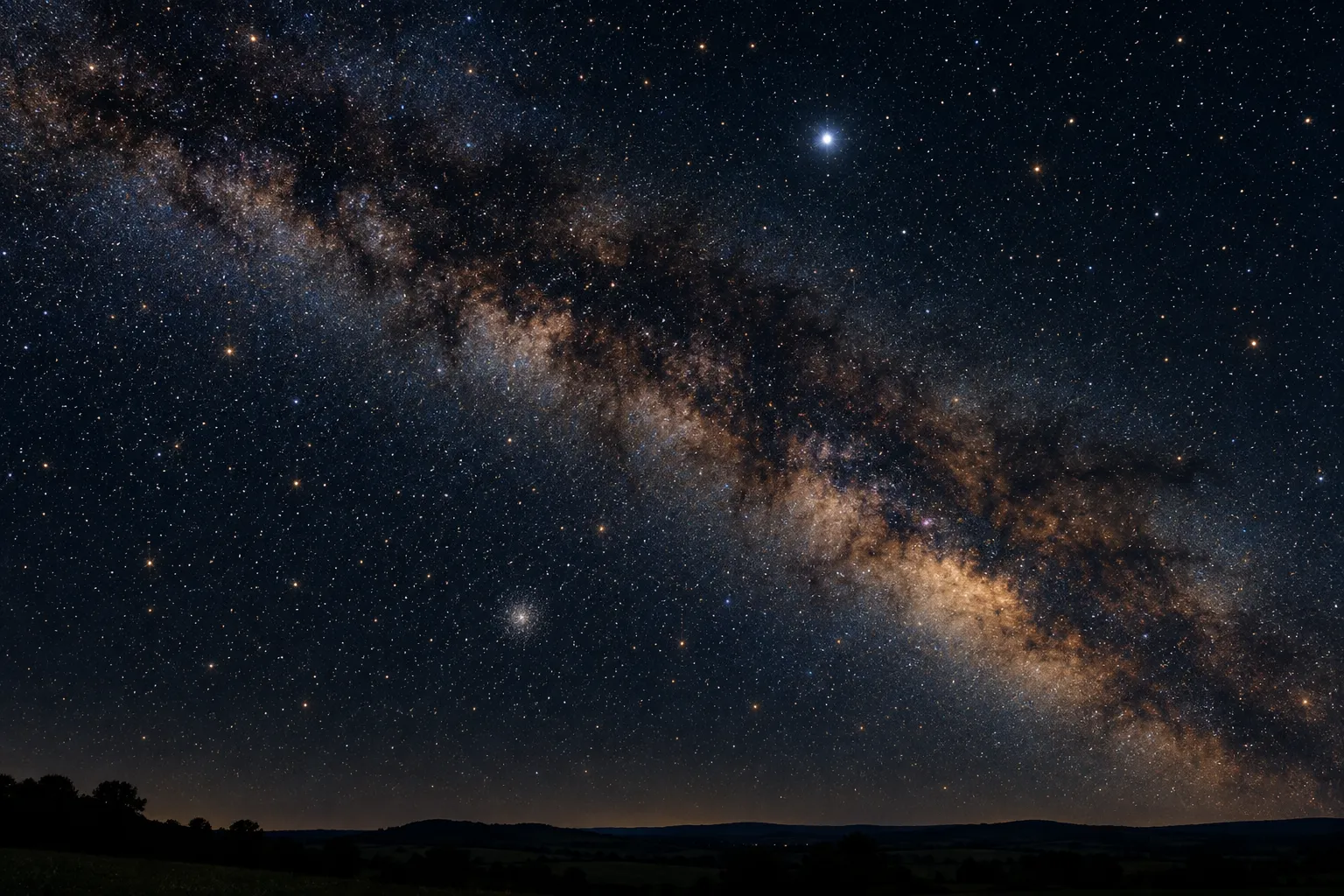
The Ophiuchus constellation has a strange distinction: it's a constellation the Sun demonstrably passes through, and it is not a star sign. That is not an oversight anyone made recently. It is a three-thousand-year-old rounding error.
Why it was left out
NASA gives the reason without ceremony: Since the Babylonians already had a 12-month calendar (based on the phases of the moon), each month got a slice of the zodiac all to itself.
The trouble was the count. But even according to the Babylonians’ own ancient stories, there were 13 constellations in the zodiac.
And so: So they picked one, Ophiuchus, to leave out.
NASA puts the astronomy plainly: to make a tidy match with their 12-month calendar, the Babylonians ignored the fact that the sun passes through 13 constellations, not 12.
Thirteen does not divide into a twelve-month calendar. Ophiuchus was the one that went, and it has stayed out ever since — not because anything about it changed, but because the paperwork was easier without it.
Finding the Ophiuchus constellation from the UK
It is a summer constellation here, and a large but faint one, which is the main reason casual stargazers never notice it despite its size.
The Royal Observatory Greenwich gives the anchor: look for Rasalhague, a bright white star that marks the head of Ophiuchus. The name Rasalhague comes from the Arabic Ras al-hawwa, meaning ‘head of the serpent collector’.
That is the practical route: find Rasalhague on a July evening and the rest of the figure, large and faint, spreads below it. Under a British suburban sky you'll get the head and little else.
The serpent-bearer
Ophiuchus is drawn as a man holding a snake, and the snake beside him is charted as its own constellation, Serpens. The two are separate constellations on a modern chart, because the IAU divided the whole sky into 88 regions with surveyed edges, and a picture of a man holding a snake spans two of them. What a constellation is covers that division, and star names covers how the stars inside one got their names.
Since 1922 a constellation has been a surveyed region of sky rather than a picture, which is the point the zodiac constellations guide sets out in the IAU’s own words. Ophiuchus’s boundaries straddle the ecliptic. The Sun is inside them for part of every year. That is the whole argument.
What is inside it
Ophiuchus is a large region, and large regions hold things. One of them is Messier 19, a globular cluster — a dense ball of very old stars — that NASA places at 28,500 light-years from us.
It is also visibly misshapen, and the reason is where it sits. NASA attributes that shape to the gravity and tidal forces of the massive centre of our galaxy, which could be stretching M19 out. Ophiuchus lies towards the centre of our own galaxy, so its clusters are being pulled about by the mass at the middle of the Milky Way.
M19 has company. Messier 12 is another globular cluster here, and NASA places it closer: The globular cluster is located 23,000 light-years from Earth in the constellation Ophiuchus.
It is a looser, more diffuse ball than M19, and it holds more interacting binary stars than a cluster that loose should — NASA detects them by their X-rays: These X-rays serve as a signature of interacting binary systems, and many have been detected in M12.
This is unexpected because M12 is a relatively diffuse globular cluster, so stars should be less likely to interact than if they were in clusters with a higher concentration of stars.
That is the quiet argument for the constellation nobody counts: it is not a scrap of leftover sky. It sits next to the busiest direction we can look in.
So is it a star sign?
Not in Western astrology, which kept its twelve. Whether it ought to be is a question for that tradition, and this page takes no view on it — astrology is not astronomy and we do not treat it as such.
What isn't in dispute is the sky. The Sun crosses Ophiuchus every year, and has done throughout the period in which it has been excluded from the zodiac.
The zodiac, drawn
The twelve traditional figures are set around the ecliptic in our Zodiac Constellations plate. For why the dates no longer match the sky, the zodiac constellations and the real sky has NASA’s account of the drift.