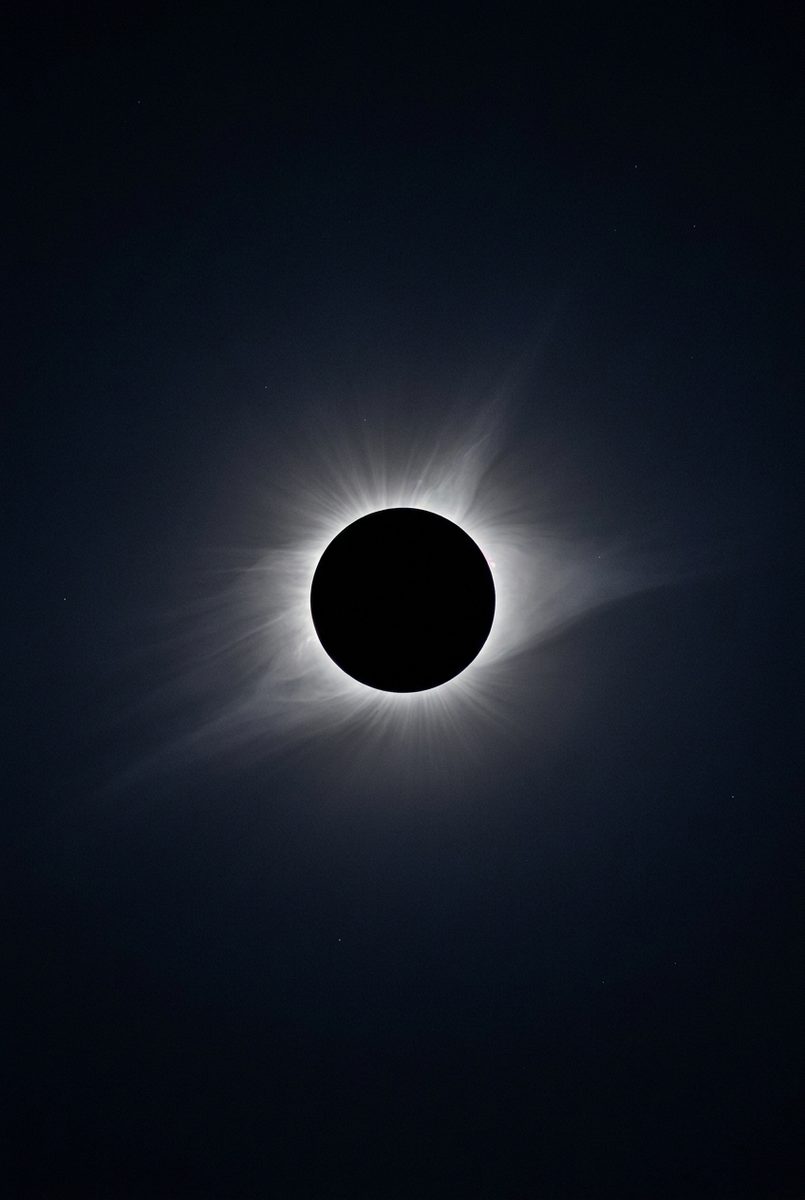
The blue moon is May’s full moon. The next one is full on Sunday 31 May 2026 at 9:45am BST.
Where the name Blue Moon comes from
In the words of Royal Museums Greenwich: A blue moon is not one of the twelve traditional names. The common modern definition is the second full moon in a single calendar month; the older, seasonal definition is the third full moon in a season that holds four.
Watching the blue moon from the UK
It is not blue. It is the same Moon, on a night that happens to be the second full moon of the month. The value of it is the arithmetic: a lunar cycle is about 29.5 days and most months are longer, so occasionally one month catches two.
The second full moon of May sits in the same low summer path as the first, thirty days later, at the very end of a month that has run out of darkness. Late May in the UK only gets astronomical twilight, never proper night. None of that stops you seeing it: a full moon is bright enough to read by, and the shortest, palest nights of the year are the ones it dominates most completely.
How high the blue moon climbs
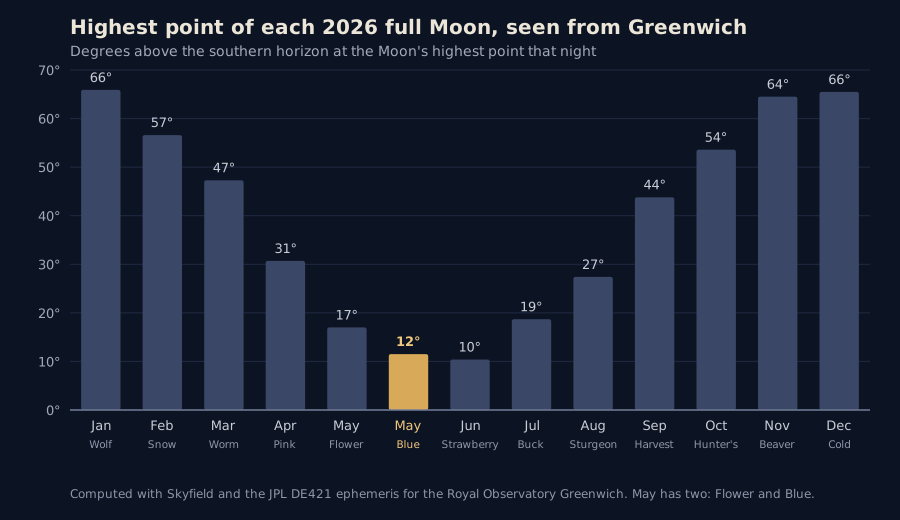
From Greenwich on the night of 30 to 31 May 2026, 11 of 2026’s full moons climb higher than the blue moon and 1 stays lower. Trees and rooftops to the south hide it from many gardens.
| Blue Moon rises | 9:01pm, south-east |
|---|---|
| Blue Moon at its highest | 12:35am, 12° up, due south |
| Blue Moon sets | 4:05am, south-west |
| Time above the horizon | 7 hours for the Blue Moon |
| Sun at 12:35am | 17° below the horizon |
Also in the May sky
From the end of May most of Scotland and northern England get no full astronomical darkness until mid-July. It is also when the first noctilucent clouds can appear: thin, electric-blue clouds low in the north long after sunset.
For May’s meteor dates and how much the Moon gets in the way, see UK meteor showers and the Moon.
What people get wrong about the blue moon
That it is rare enough to justify the phrase. Once in a blue moon works out at roughly once every two and a half years, which is less often than a birthday and more often than a leap day. The seasonal definition, the older one, is rarer, and the two definitions disagree about which moons qualify.
Searching for it? The plain phrase “blue moon” mostly returns the 2026 film of the same name. Adding the year gets past that.
Blue Moon dates, London time
- 2026: Sunday 31 May 2026 at 9:45am (BST)
Both blue moon times are from NASA and agree with the Royal Observatory to the minute.
A blue moon belongs to no fixed month, so this page has the one date in this run; the full moon calendar lists every other named moon in 2026 and 2027, with London times.

The blue moon in the sequence
In 2026 the blue moon is the sixth of 13 full moons. It comes after the Flower Moon (Friday 1 May 2026), and the Strawberry Moon follows it on Tuesday 30 June 2026. On the nights either side of the blue moon the Moon isn’t quite full: it’s a waxing, then a waning, gibbous, and the eight phases of the Moon explains both.
Why May 2026 has two full moons
A lunar cycle is about 29.5 days, a little shorter than most calendar months, so now and then one month catches two full moons. May 2026 is one of them, which makes the second a Blue Moon under the monthly definition. The older, seasonal definition counts the third full moon in a season of four instead.
Any moon print can be checked the same way, blue moon or not: how to tell an accurate moon phase print.
Written by Craig Fearn, Aphelion Prints. Last updated .