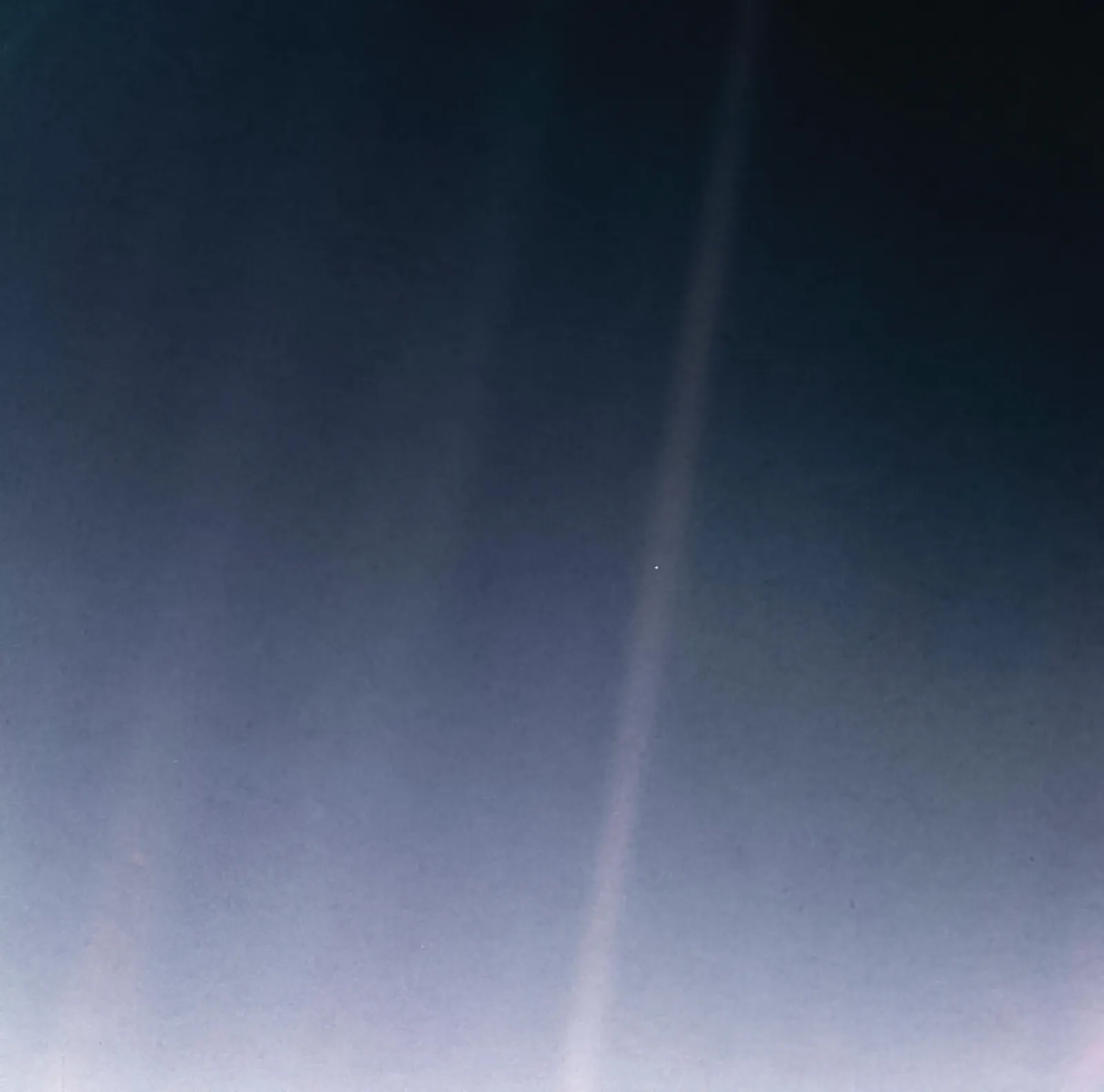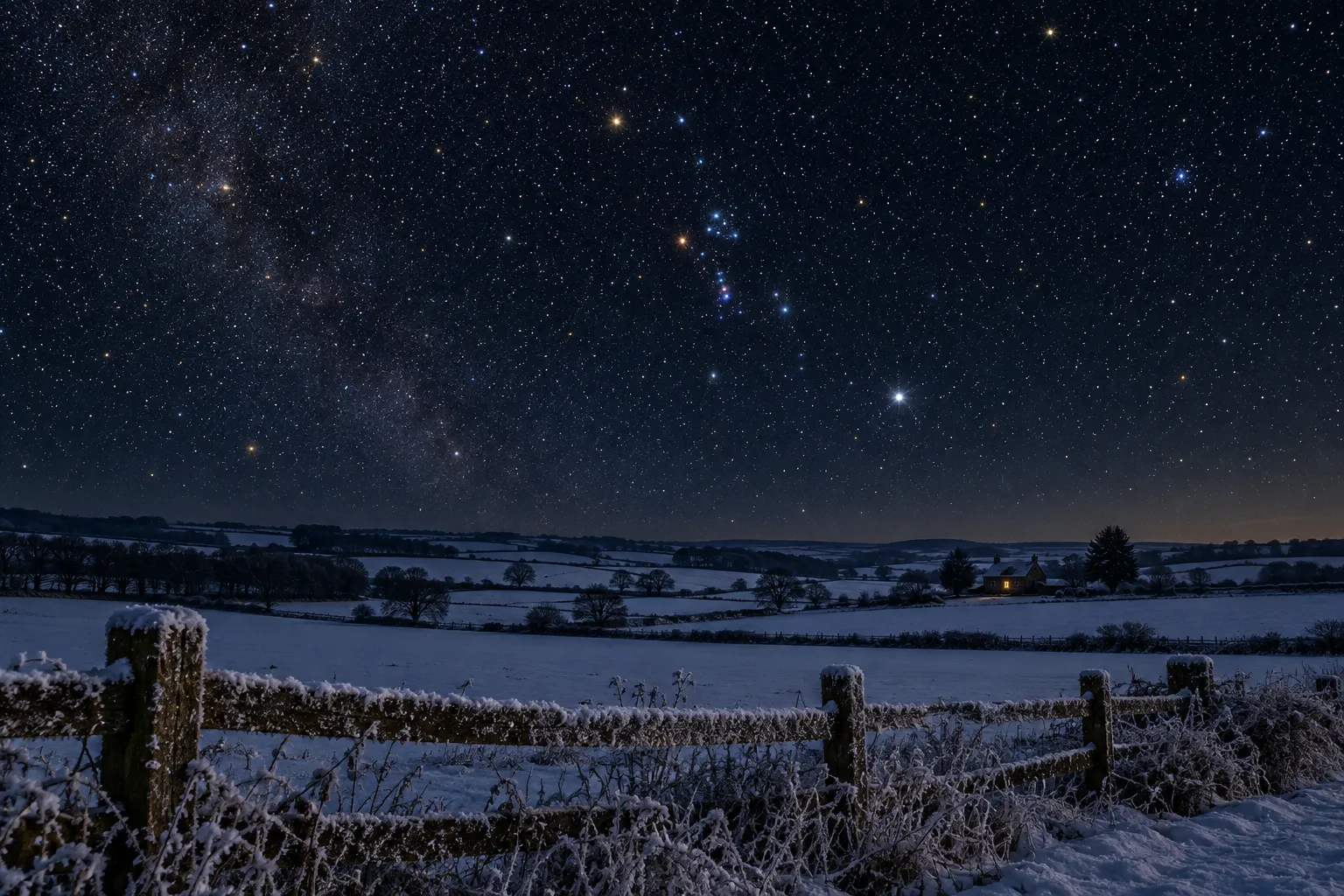
The Aurora print linked later is astronomy artwork, printed to order.
What causes an aurora?
The Sun constantly sheds charged particles into space, the solar wind. Most of that stream is deflected around Earth by our planet's magnetic field, but some particles are funnelled down along the field lines toward the poles. There they collide with oxygen and nitrogen in the upper atmosphere, exciting those atoms to a higher energy state. As the atoms settle back down, they release the extra energy as light. Billions of these tiny collisions, all at once, are what we see as an aurora.
Why the poles?
Earth's magnetic field runs from pole to pole, and it channels incoming particles down two funnels: one at each end. That's why auroras form ovals centred on the magnetic poles rather than appearing evenly across the sky. In the north it's the aurora borealis, the Northern Lights; in the south, the aurora australis. A strong solar storm can push that oval further from the poles, which is when an aurora becomes visible from latitudes that rarely see one.
Why the colours differ
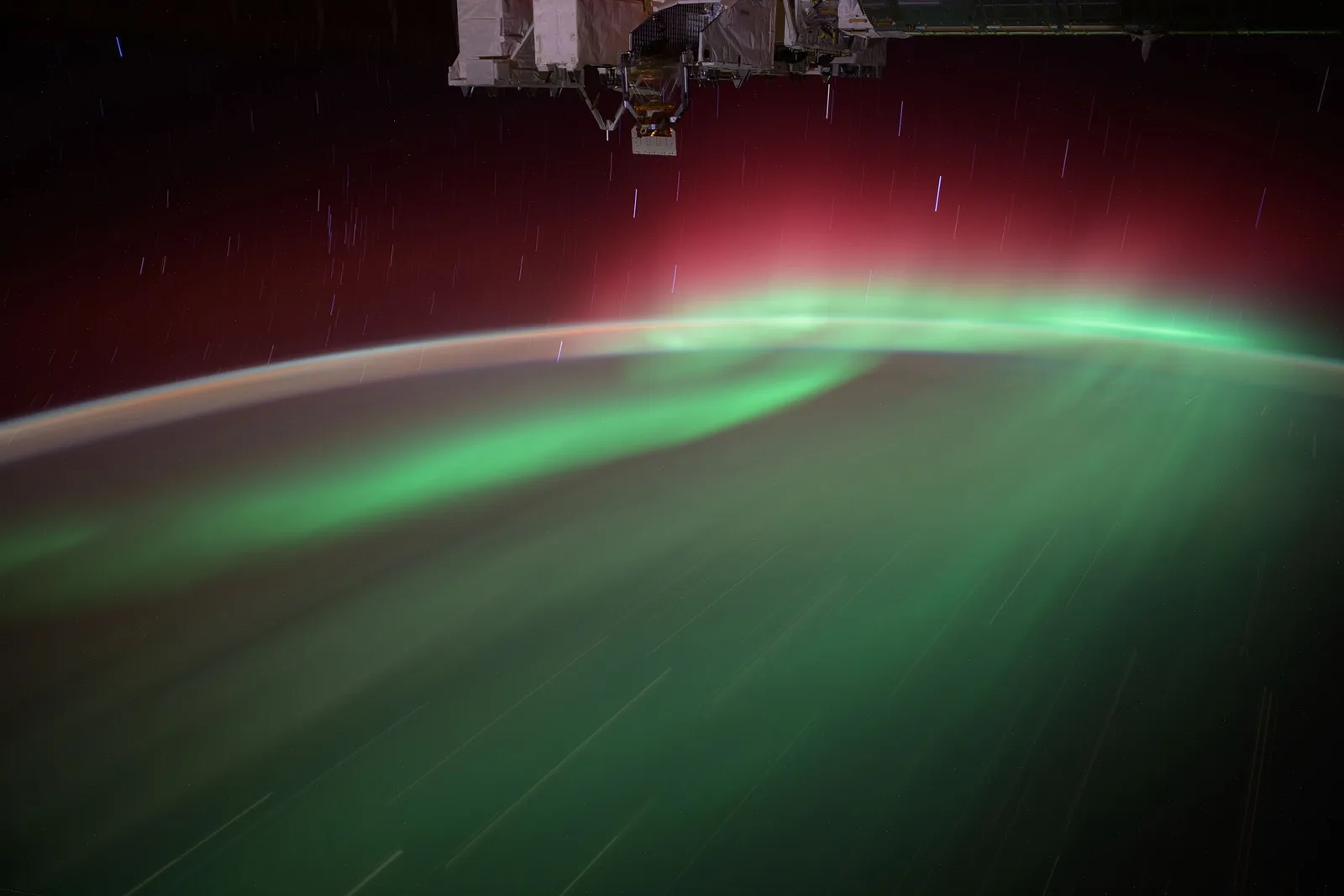
Colour comes down to which gas is struck and how high up the collision happens. Oxygen glows green at lower altitudes and a rarer red higher up. NASA gives green as the most common aurora colour, produced by oxygen about 60 miles (100 km) up, and puts the red above 120 miles (200 km). Worth knowing that the other agency does not agree: NOAA's space weather service gives the green oxygen emission a range of 120 to 400 km and restricts the red to above 300 km, because that excited state survives for over two minutes and only lasts that long where the air is thin enough to leave it undisturbed. Two agencies, two sets of numbers, so treat any single altitude figure as approximate. Nitrogen accounts for the rest. NASA puts excited nitrogen between 60 and 120 miles (100-200 km) as glowing blue, and says that below about 60 miles (100 km) it "gives the lower edge of the aurora a reddish-purple to pink glow".
When and where to see one
You need three things: darkness, a clear sky, and geomagnetic activity high enough to bring the oval within reach. That means the depths of winter at high latitudes (Norway, Iceland, northern Canada, Alaska) well away from city light. Activity rises and falls with the solar cycle: NASA gives it as "every 11 years", and displays are stronger and reach further from the poles near its peak.
Aurora as wall art
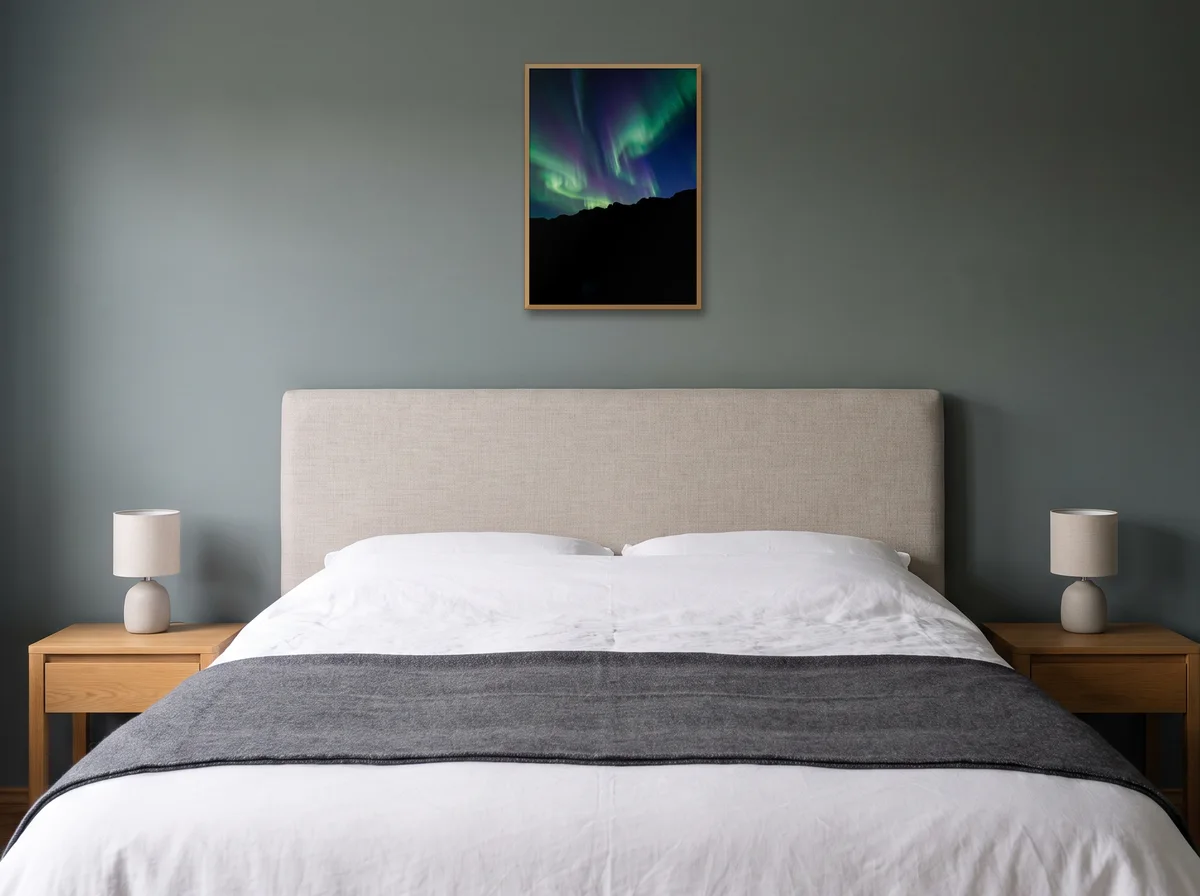
A camera and an eye do not record an aurora the same way: a long exposure collects colour the eye cannot gather at that light level. Our Aurora print is our own astronomy artwork, printed on archival stock or canvas. You'll find it alongside the wider night sky in astronomy prints, or browse space gifts if it's for someone else.
The aurora is one of five explainers in Looking up. The other two that deal with light you can see from the ground are the phases of the Moon and what a nebula is.